Showing posts with label Nettles. Show all posts

Friday, May 10, 2019

Exploring Nettles for Health

Image result for nettles images
We've been looking into stinging nettles for a few months now, and the benefits of that nasty weed - excuse me, herb - keep growing. Who knew?! Many believe that nettles also contain health benefits and have been used in natural medicine for centuries.

According to Mother Earth News, a tea made from dried nettle leaves is full of nutrients. It is thought to - among other things - help relieve pain and inflammation. There is also a claim that it helps to lower blood sugar. Of course, as with anything you read online, you should consult your doctor before trying anything for a medicinal purpose. 

Just because something is natural doesn't mean it's safe for everyone all the time. Everyday Health includes a warning against ingesting nettles for women who are pregnant. And for anyone, there are the risks of side effects such as sweating, skin irritation, and stomach discomfort. 

Style Craze says that nettles are also valuable as topicals. They claim it has benefits for people dealing with ache and burns when used on the skin. They also claim that treating hair with an extract made from nettles will encourage regrowth of thinning hair. 

As with anything you read on the internet, have a healthy dose of caution and skepticism, even with all-natural things like nettles. Very Well Health gives some good advice in that area. Remember that natural and plant-based do not automatically make things good for you. After all ... hemlock is a natural plant, and look what it did to Socrates.

More in this series:
Pegg Thomas is an author and editor, but also a fiber artist of some *mumble* years. She raises sheep and spins their wool to create one-of-a-kind shawls and other useful items. While she mostly uses a modern-day production spinning wheel, she occasionally spins on a 200-year-old Great Wheel, a true piece of American history.

Friday, April 5, 2019

Exploring Nettles for Color

Image result for nettles images
During the past two months, I've been exploring nettles and their uses. Today, let's looks at the humble nettle as a dye plant.


The leaves are used for the dye, which if you're going to give the fiber prep a try from the first post in my nettle series, you'll have the leaves all stripped and ready! As with any dye preparation of natural leaves, you'll want to chop or mash them to release as much of their color as you can. Of course, these are stinging nettles, so gloves are a good idea.

One dyer recommended using an aluminum dye pot for the best color when dyeing with nettles. Typically, dyers prefer to use stainless steel or enamelware pots. The nettles must react favorably with the aluminum in this case.

It's a good idea to mordant the wool first with alum, but not all dyers do. There are multiple internet sites that can show you how to do that.

Plan on about 3x the weight of nettle leaves as yarn or cloth to be dyed. The more leaves, the darker the color. Color will also depend on other factors, like the age of the plant when harvested, the hardness of the water used, and any mordants used. This isn't an exact science when you're using natural resources!

Then you boil the nettle leaves until they are fully cooked and a bit mushy. Strain them well (cheesecloth is a good idea) and cool the liquid. Add the wet yarn or fabric to the cooled dye bath and bring the mixture to a simmer (do not boil) over medium heat. Let simmer until the dye is taken up into the yarn or cloth. Let the dye pot stand and cool completely overnight. Drain and remove the yarn or cloth. Roll in an old towel to remove excess water, then hang or lay flat to dry.

You should wind up with a color varying from gray/green to green/brown. 

Another dyer's blog says you can chop the nettle roots and boil with alum to create a dye bath that will give a yellow color. So many uses for this pesky weed!

More in this series:
Exploring Nettles for Fabric
Exploring Nettles for Dinner
Exploring Nettles for Health


Pegg Thomas is an author and editor, but also a fiber artist of some *mumble* years. She raises sheep and spins their wool to create one-of-a-kind shawls and other useful items. While she mostly uses a modern-day production spinning wheel, she occasionally spins on a 200-year-old Great Wheel, a true piece of American history.

Friday, March 8, 2019

Exploring Nettles for Dinner

Image result for cooking with nettles
Last month I wrote about using nettles for making fabric. This month, I want to explore another use for this stinging weed that tormented my childhood, nettles as a food source.

I know! Eat a weed? But ... actually ... it's a very nutritious weed. They are rich in calcium, iron, magnesium, and full of vitamins C, A, and B complex. They also contain more protein than most green vegetables. The dried leaves are up to 25% protein!

Our Native American ancestors knew about nettles and not only ate them but used them as a medicine. Nettles are also well-known as a food source in much of Europe, even available for sale in certain types of groceries. 

But what do they taste like? I'll be honest, I haven't tried them - yet. But I read their taste described this way, "like the lovechild of spinach and an artichoke." That makes me curious!

If you 're brave enough to give this a try, it's recommended that you harvest the nettles in the early spring when they are sprouting, taking only the top three sets of leaves from each plant. (It's not recommended to harvest any after the plants have flowered.) The leaves are then used by themselves and cooked similar to spinach, or added to soups and stews. They can even be cooked and used in the making of noodles. The internet is full of recipes!


More in this series:
Exploring Nettles for Fabric
Exploring Nettles for Color
Exploring Nettles for Health


Pegg Thomas is an author and editor, but also a fiber artist of some *mumble* years. She raises sheep and spins their wool to create one-of-a-kind shawls and other useful items. While she mostly uses a modern-day production spinning wheel, she occasionally spins on a 200-year-old Great Wheel, a true piece of American history.
Friday, February 8, 2019

Exploring Nettles for Fabric

Image result for nettles images
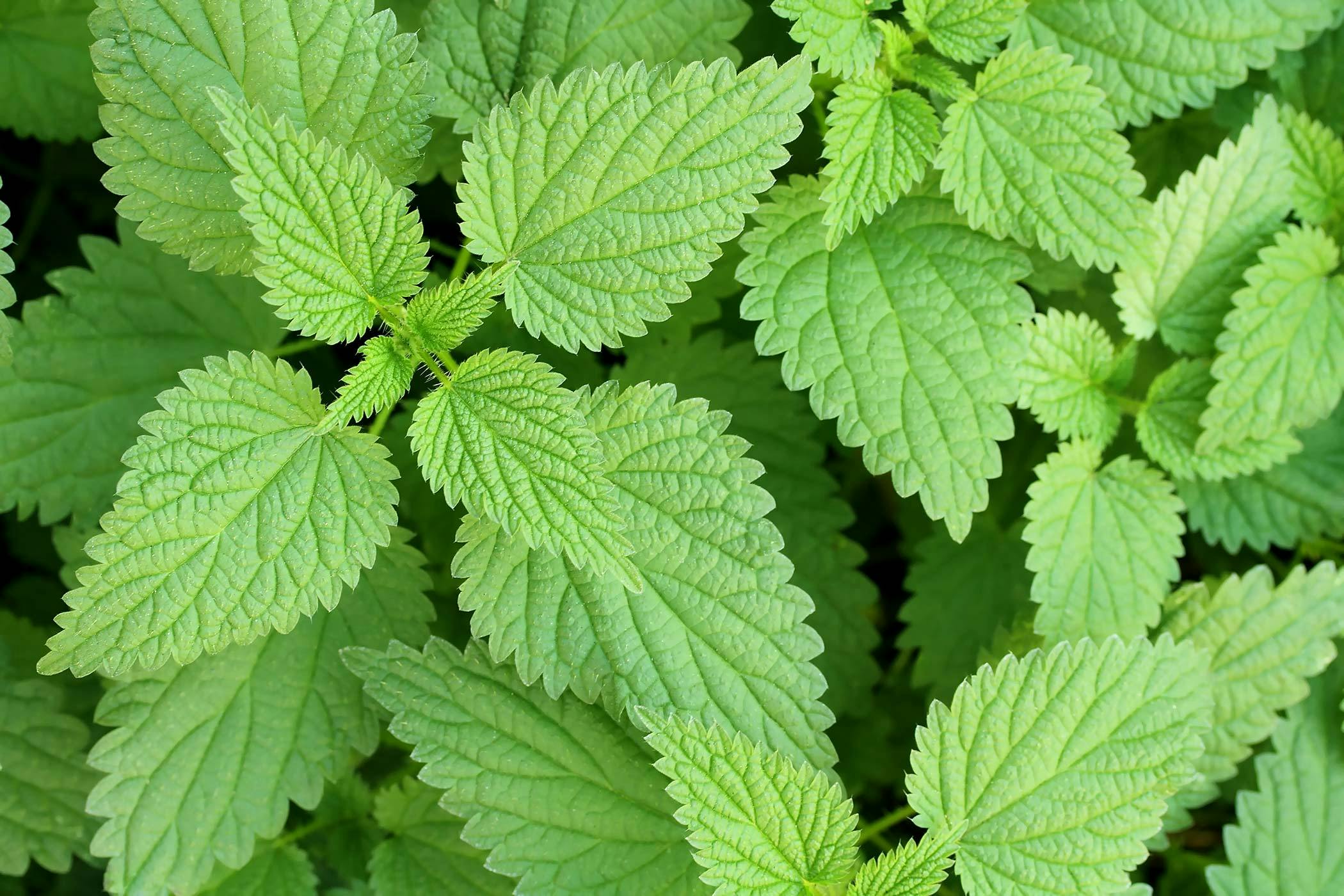
How many remember the burning itch of nettles from childhood? I admit that I had a particular talent for finding nettles ... with my hands. I spent a lot of my younger years with stinging fingers.

But the lowly nettle, it turns out, has many legitimate uses that our forefathers knew about. 

In a recent bout of research on Native Americans, I discovered that the Ojibwe women wore skirts made of woven nettle fabric. I immediately started to itch, of course. And then I dug a little deeper into the subject.

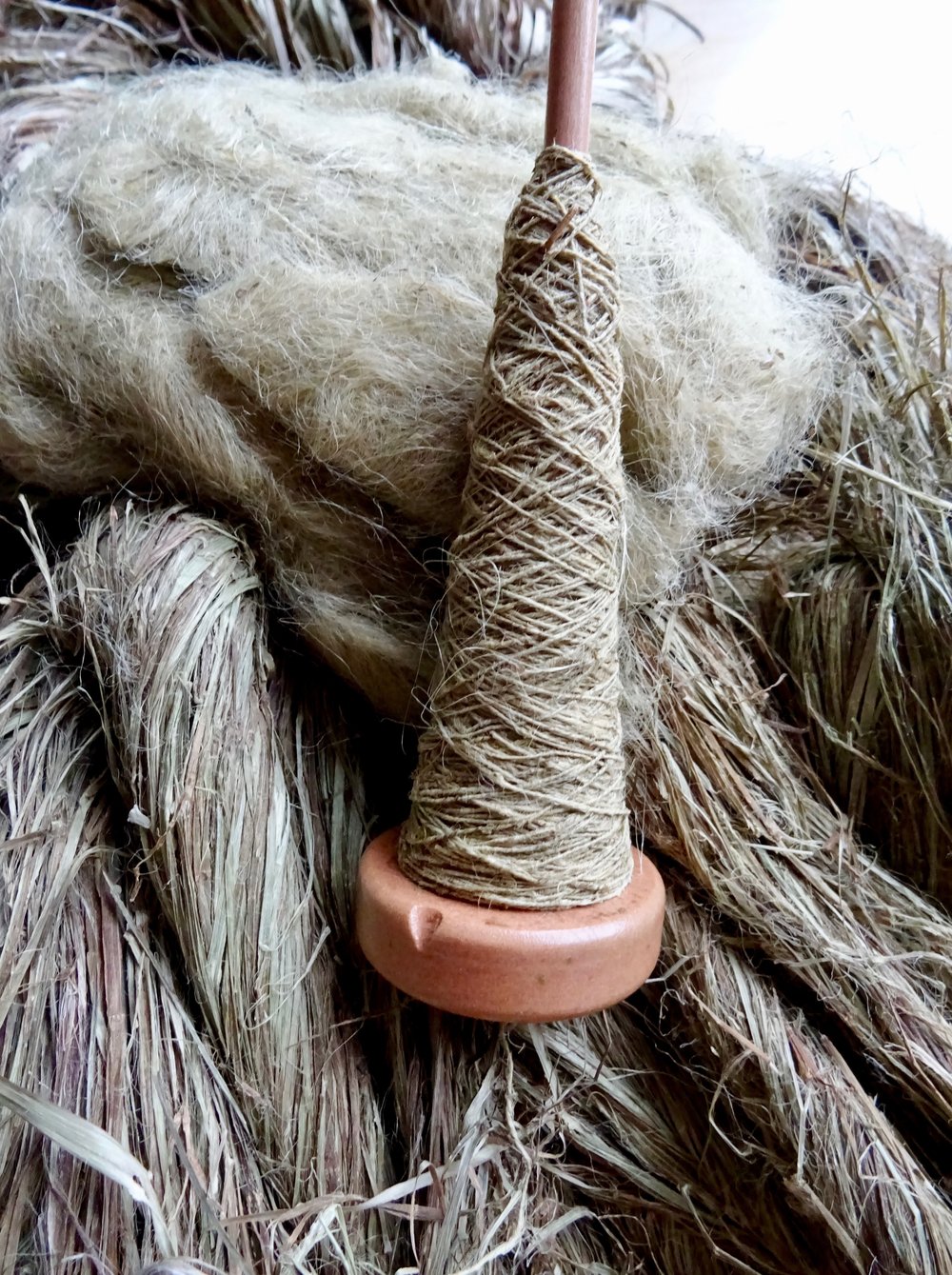
Nettles, like flax, hemp, and other plants, produce a long, fine, and very spinnable fiber. Who knew?! It's a process to get the fiber out of the stalks, but it's not difficult, only time-consuming.

The stalks are cut at the base when they are mature and still green. Leather gloves are a really good idea for this chore! The leaves are stripped off and the stalks are bundled into a manageable size.

Bundles of stalks are then submerged into a trough of water, or if you're lucky enough, a pond or stream. The stalks are weighted to keep them below the surface, and left in the water for about a week. This starts the retting - or rotting - process.

The bundles are then opened and spread out on the ground to fully dry. Once dry, the stalks are split open and long fibers are peeled away from the woody pith. This is a very tedious step. People serious about making any amount of useable fiber will have some tools to help in the process, like a break, hackle, and scrutching swords, but we won't get that deep in the weeds here.

With some sort of carder or steel comb, the extracted fibers are smoothed and straightened for spinning into thread.
Image result for image of nettle fibers

Once spun, the thread is usually boiled with a bit of soap to remove any of the sticky residues that remain. It can then be knitted, woven, or bound into cordage.

Not interested in all that work but curious about nettle yarns? Commercially available yarns containing nettle fibers are now available in the better yarn stores across the county. Pick up a skein and get in touch with some early American history.

More in this series:
Exploring Nettles for Dinner
Exploring Nettles for Color
Exploring Nettles for Health

Pegg Thomas is an author and editor, but also a fiber artist of some *mumble* years. She raises sheep and spins their wool to create one-of-a-kind shawls and other useful items. While she mostly uses a modern-day production spinning wheel, she occasionally spins on a 200-year-old Great Wheel, a true piece of American history.