

Everyone has a favorite childhood book (or two or
three…), and for some reason mine seem to revolve around horses. Misty of Chincoteague, My Friend Flicka,
and Black Beauty. I was a teenager
before I had an opportunity to ride a horse, and the day ended when the animal
ran under a tree and swept me off her back. But that’s a story for another day.
In researching this post, I was stunned to discover
that the book was published in 1877, almost one hundred years prior to my falling
in love with the story. Published shortly before her death, Black Beauty is the only book Anna
Sewell wrote. With fifty million copies sold, Black Beauty is considered one of the top ten children’s books, and
is the first English novel to be told from the perspective of an animal.
Written over the course of six years, Anna became ill before completing the
manuscript and dictated much of the text to her mother.
 Born March 20, 1820, Anna Sewell was born into a
devout Quaker family. Her mother was a successful children’s book author who
homeschooled Anna and her brother Philip. Her father owned a small shop that
failed, and as a result, the family moved quite a bit in his search for
employment. Anna’s maternal grandparents often took care of her and Philip.
Born March 20, 1820, Anna Sewell was born into a
devout Quaker family. Her mother was a successful children’s book author who
homeschooled Anna and her brother Philip. Her father owned a small shop that
failed, and as a result, the family moved quite a bit in his search for
employment. Anna’s maternal grandparents often took care of her and Philip.
When she was a teenager, Anna fell and injured her
ankles that never healed properly. She was unable to walk without a crutch or
stand for long periods of time. Over the years, she traveled to health spas in
Germany and Spain to get relief and healing. However, she was unsuccessful,
remaining an invalid for the rest of her life.
 As an effort to give herself mobility, she used a
horse-drawn chaise to get around. The regular use of the horse combined with
living in a society dependent upon horsepower gave Anna pause to think about
the humane treatment of animals. She intended the book as an instruction piece
for those who worked with horses and other service animals, not as a children’s
book.
As an effort to give herself mobility, she used a
horse-drawn chaise to get around. The regular use of the horse combined with
living in a society dependent upon horsepower gave Anna pause to think about
the humane treatment of animals. She intended the book as an instruction piece
for those who worked with horses and other service animals, not as a children’s
book.
Anna received one payment of £40 from her publisher,
and the book was released on November 24, 1877. She passed away five months
later on April 25, 1878.
______________________
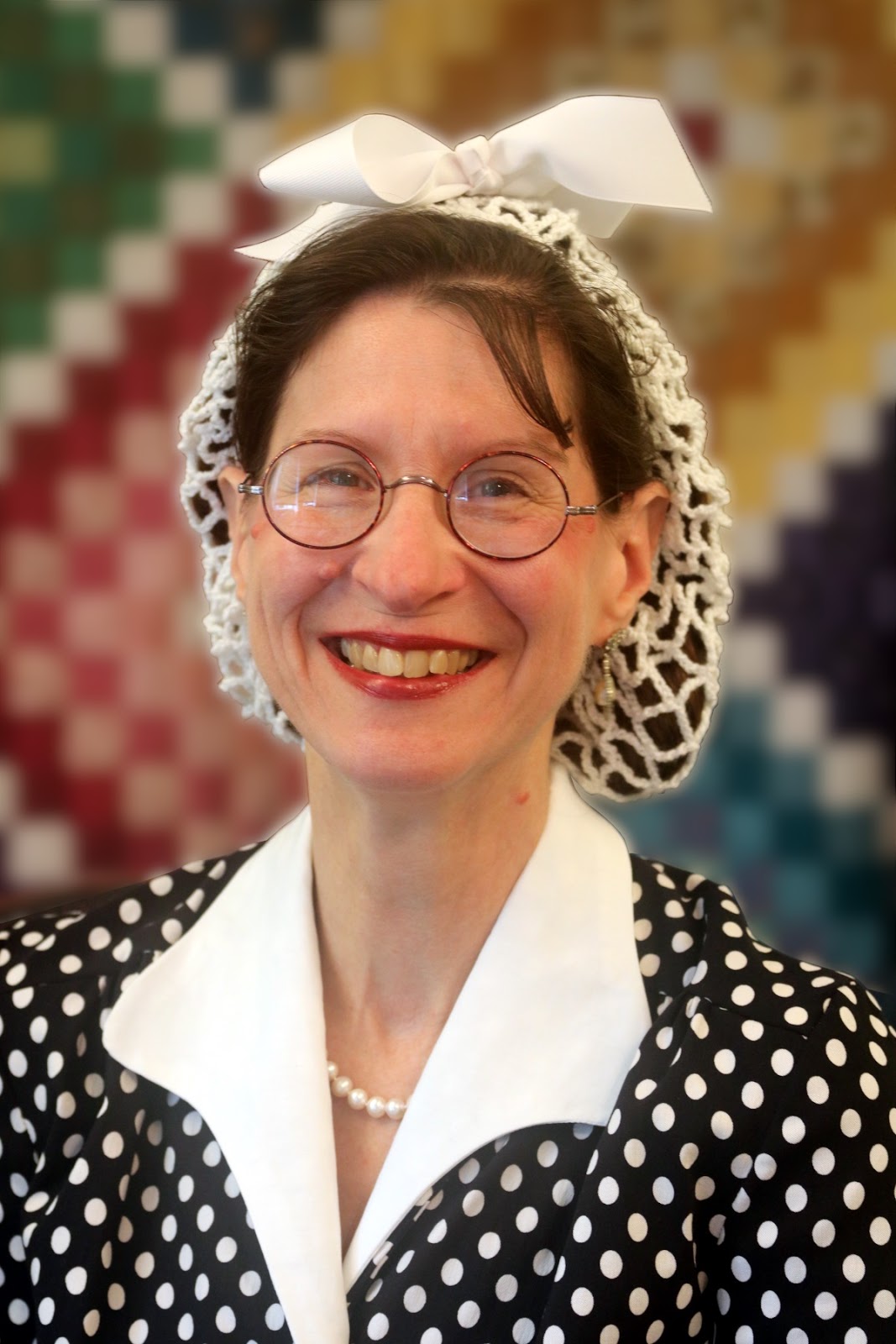
Linda Shenton Matchett
writes about ordinary people who did extraordinary things in days gone by. A
volunteer docent and archivist for the Wright Museum of WWII, Linda is also a
trustee for her local public library. She is a native of Baltimore, Maryland
and was born a stone’s throw from Fort McHenry. Linda has lived in historic
places all her life, and is now located in central New Hampshire where her favorite
activities include exploring historic sites and immersing herself in the
imaginary worlds created by other authors. Learn more about Linda and her
book on her website or connect with her online: http://www.LindaShentonMatchett.com


