Showing posts with label Pegg Thomas. Show all posts

Friday, September 27, 2019

Author Chat with Denise Weimer


Welcome to Stitches Thru Time, Denise.

Thank you for the invitation to join you today, Pegg! 

We’re excited about your new release, The Witness Tree. It’s set in the early 1800s in the southeastern states. What intrigues you about that time and place? 

Well, my past published novels have all been set in Georgia. I love to use my stories to highlight little-known lore about my home state. While I was poking about the Internet for inspiration for a new historical, I came across mention of the Moravian mission at Springplace, the school for children of Cherokee chiefs on the property of Chief James Vann. I had visited the Vann plantation as a child and even blogged about Moravian Christmas traditions, but I’d never realized the connection between the Moravians from Salem, North Carolina—a favorite weekend vacay spot of my parents, like a mini-Williamsburg—and the Vann house in Northwest Georgia.

Writing something set in the Federalist period was also new to me. My previous historicals have focused on either the Revolutionary War or Civil War/Reconstruction periods. Yet the fact that Northwest Georgia was Cherokee Territory in 1805 gives The Witness Tree more of an earlier frontier feel.

Not surprisingly for that setting, you have many Native American characters. That must have taken a lot of research to be both historically and culturally accurate. What resources did you use?

I used journal articles online and a stack of books, including some I picked up on my research trips to Olde Salem, the Vann House, and the Cherokee capital of New Echota. One was even a reprint of a late-1700s moral instruction manual for leaders in the Moravian church. But my main sources were History of the Moravian Missions Among Southern Indian Tribes of the United States (Rev. Edmund Schwarze, Ph.D., UNC) and the actual diaries written by the missionaries at Springplace, The Moravian Springplace Mission to the Cherokees: Volume 1, 1805-1813.

Many of the things that happen in The WitnessTree, such as the unusual earthquakes and the miraculous recovery of one of the Cherokee girls, were actual historical events. But it’s important to note that I consolidated these from about a ten-year timeframe into a single year. I did have to keep it under 90,000 words, after all. :)

What was the most surprising historical tidbit you found and incorporated into your book?

The progressive Cherokee chiefs sought education and advancement, but others feared that the ways of the white settlers would bring destruction. I think the thing that might surprise most people was how violently many Cherokees opposed the work of Sequoyah (or George Guess/Gist) on the first Cherokee alphabet. A troop of Georgia Cherokee Lighthorse had to rush to North Carolina to rescue him from a slow death by torture for witchcraft … for writing down the language. An 1811 Cherokee law mandated a civil trial before execution, allowing Sequoyah to prove the legitimacy of the syllabary.

The Moravians struggled to master the Cherokee language and expressed the desire to see it written down. This gave me the story idea: “What if one of the Moravians tried to do that? What would the backlash have been?”

Your hero and heroine are both Moravian. In a nutshell, tell our readers who the Moravians were.

I will try, although they were a complex group! We might burst out of the nutshell. :) 

The Moravians were a lesser-known sect of “plain people.” Originally known as Unity of the Brethren, the church had been in existence since a Bohemian priest, John Huss, was burned at stake in 1415 for challenging the authority and ethics of the Catholic Church. The Hussite churches were scattered, persecuted, and influenced by Pietism. Eventually, these people found refuge on the Saxon estate of Count Nicholas Ludwig von Zinzendorf, where they practiced communal living. In 1727, revival broke out and led to the biggest thrust to date in Protestant missions.

The Moravians established trade and farming settlements in America intended to support mission work around the world and to the American Indians. At first, the men and women lived separately in “choirs,” but by the late 1700s, married people raised their families in individual households. However, they still brought major church and life decisions before the elders and “the lot.” After prayer, they would draw a slip of paper out a bowl or tube that read yes, no, or wait. They based this practice on biblical references in Numbers 33:54 and Acts 1:26. The outcome indicated the will of the God and was not to be challenged.

Rumor has it that you’ve also released a contemporary book recently. Tell us a little bit about that one.

Yes, Fall Flip released with Candlelight Romance earlier this month. It’s a great contemporary read with historical undertones for anyone who is a fan of Hallmark, HGTV, and second chance romances.

The tragic death of Shelby Dodson’s husband—her partner in a successful Home Network house flipping business—stole love, status, and career. Now a bungalow redesign thrusts Shelby into the company of a new contractor. Scott Matthews remembers high-and-mighty Shelby from high school, and her prissy, contemporary style goes against his down-to-earth grain. When the house reveals a mystery, will its dark secrets—and their own mistakes—cost a second chance at love?

How on earth are you juggling TWO releases this close together? Are you Superwoman? Do you have a matching cape and tights?

LOL. I agree, it’s kinda crazy! But when we found out both books would be releasing within a few months of each other, anyway, we (my managing editors at LPC and I) decided to tag team the releases. This way, readers have a choice—historical or contemporary. Or both!

Thank you for stopping by Stitches Thru Time, is there anything else you’d like to share with our readers?

Only that I’m doing the crazy again in March. I have a heart-warming athletic romance, Spring Splash, and a nail-nibbling romantic suspense novel, Traces, releasing together. Check out my web site for more info.

Thank you, readers, for stopping by today. I’d love to answer your questions below and connect with you on social media. There’s also one more day to hop over to Singing Librarian Books for a chance to win a massive Fall Flip or Witness Tree gift basket! (link)

Connect with Denise here:


Friday, June 14, 2019

Author Chat with Cindy Regnier


Welcome to Stitches Thru Time, Cindy. We’re excited about your new release, Mail-Order Refuge. Mail-order bride stories are always a favorite. How did you decide on this for your debut novel?


I needed a way to get Carly to Kansas and it fit perfectly with Rand’s situation. Mail-order bride stories are still popular, probably because in today’s world it’s so hard to imagine traveling away from all you know to marry a man you’ve never met. I think Mail-Order Refuge is a fresh enough take on the mail-order bride trope to make it an exciting story.


I agree. You've tossed a couple of curves into that time-tested trope. Your hero is a rancher raising two young orphaned nieces. Tell us why readers are going to fall in love with him.


Rand is definitely book-boyfriend material. He’s a little rough around the edges, but that is easily forgiven when you see his heart. He is protective of his family, sacrifices his own hopes and dreams to achieve theirs, and, well, he’s a cowboy. Enough said.


You got me with "cowboy." Your heroine is running from something. We won’t give any spoilers here, but tell us why readers will sympathize with her.


Carly has to run away to save herself and her brother from a tough situation she found herself in because of a bad decision on her part. We’ve all made those decisions we wish we could have a do-over on, and the guilt she suffers is a familiar feeling. Beyond that, we see into her heart of gold and cheer her selfless nature as she clears a path through the unknown territory of becoming a wife and mother.


Yes, we can all understand those feelings. Your story is set in Kansas, which I understand is near and dear to your heart. What is it about that area that appeals to you, and how do you convey that to your readers?


I spent a good deal of my childhood in the Kansas Flint Hills because both sets of my grandparents lived there. They instilled in me a love for the beautiful setting as well as a rich family heritage of settling, farming, and ranching in the area from the generations of their parents and grandparents. I want to give that same heritage and love of the land to my characters in order to convey my deep feelings for it to my readers.


I love it when authors bring bits of their pasts to life in their stories. This is your debut novel, how exciting! Tell us a little bit about your journey to publication.


I have been writing ever since I wrote plays for my friends to perform in class back in 3rd grade. Being published is a dream I’ve chased for a long time because I see it as a way to share parts of myself and my background with people I might not otherwise connect with. My love of country living, animals, and maybe even handsome cowboy sometimes feels like it will explode inside me if I don’t share it through my writing.


We're very happy that you didn't explode.  ;)  Thank you for stopping by Stitches Thru Time, is there anything else you’d like to share with our readers?


I appreciate the invitation to visit Stitches in Time, and I love to hear from readers. Connect with me on social media and I might even ask you to help with planning my next novel. I’m thinking of writing a romance for Mary Jo, and need to know if she falls for a cowboy from her uncle’s ranch or a city boy from art school. Opinions welcome!


Where to find Cindy:


Thursday, June 6, 2019

Cameo Courtships

Cameo Courtships: 4 Stories of Women Whose Lives Are Touched by a Legendary GiftCameo Courtships: 4 Stories of Women Whose Lives Are Touched by a Legendary Gift by Susanne Dietze
My rating: 4 of 5 stars

This is the first Barbour historical romance collection I've read since they've changed the format to just four novellas per book. While the collections have always been written around a theme, "Cameo Courtships" takes that to a whole new level. All four stories are about a single family and a special cameo that gets handed down through the generations. The authors did a bang-up job of coordinating their stories and it reads almost like one long novel. It was hard to pick a favorite, but since I always do, I'll go with "Taming Petra" by Jennifer Uhlarik because I loved "Buckskin Pete."

Friday, May 10, 2019

Exploring Nettles for Health

Image result for nettles images
We've been looking into stinging nettles for a few months now, and the benefits of that nasty weed - excuse me, herb - keep growing. Who knew?! Many believe that nettles also contain health benefits and have been used in natural medicine for centuries.

According to Mother Earth News, a tea made from dried nettle leaves is full of nutrients. It is thought to - among other things - help relieve pain and inflammation. There is also a claim that it helps to lower blood sugar. Of course, as with anything you read online, you should consult your doctor before trying anything for a medicinal purpose. 

Just because something is natural doesn't mean it's safe for everyone all the time. Everyday Health includes a warning against ingesting nettles for women who are pregnant. And for anyone, there are the risks of side effects such as sweating, skin irritation, and stomach discomfort. 

Style Craze says that nettles are also valuable as topicals. They claim it has benefits for people dealing with ache and burns when used on the skin. They also claim that treating hair with an extract made from nettles will encourage regrowth of thinning hair. 

As with anything you read on the internet, have a healthy dose of caution and skepticism, even with all-natural things like nettles. Very Well Health gives some good advice in that area. Remember that natural and plant-based do not automatically make things good for you. After all ... hemlock is a natural plant, and look what it did to Socrates.

More in this series:
Pegg Thomas is an author and editor, but also a fiber artist of some *mumble* years. She raises sheep and spins their wool to create one-of-a-kind shawls and other useful items. While she mostly uses a modern-day production spinning wheel, she occasionally spins on a 200-year-old Great Wheel, a true piece of American history.

Thursday, May 2, 2019

Lord of Her Heart

Lord of Her HeartLord of Her Heart by Sherrinda Ketchersid
My rating: 5 of 5 stars

I love a good medieval read! What's more romantic than knights, fair ladies, and castles? Sherrinda Ketchersid nails all of that, plus a bit of mystery, a dash of danger, and a hearty sprinkling of humor. This is not a dark, gothic read. It's an engaging story with characters who'll stay with you long after you've closed the book. If you're new to the medieval time period, this is a great book to start with! (Beware: this time period can be addicting.)

This book releases on May 14th. Beat the rush and preorder it on Amazon now!

Tuesday, April 30, 2019

The Run for the Roses


Related image
On Tuesdays, we share historical tidbits here on Stitches Thru Time. This Saturday is the first Saturday in May. To horse racing fans around the globe that means only one thing:

The Kentucky Derby

The Iconic "Run for the Roses" will happen for the 145th consecutive time on May 4th, 2019. It is the longest non-interrupted sporting event in our country. Since we're talking history today, here's some trivia:

Churchill Downs was conceived and built by Colonel Meriwether Lewis Clark, Jr., the grandson of General William Clark from the Lewis and Clark Expedition.

The track opened on May 17, 1875.

The first winner of the Kentucky Derby - in 1875 - was a chestnut colt named Aristides. A statue of Aristides stands between the saddling paddock and the back of the grandstands today.

Related image
Aristides
The winning trainers in two of the first three Derbys were former slaves - Ansel Williamson (Aristides-1875) and Ed Brown (Baden-Baden-1877).

The well-known "twin spires" were built in 1895. They still stand today but are now overshadowed by the hulking structures on each side that house the luxury suites.

One of the first recorded airplane flights took off from the infield at Churchills Downs in 1910.

Neither WWI or WWII stopped the Kentucky Derby from running, although 1945's Derby was run on June 9th.

On Derby Day, the infield at Churchill Downs will hold 80,000 people, making it Kentucky's third-largest city, behind Lexington and Louisville.

If you've never been to Churchill Downs, it's worth putting on your bucket list. The history, the tradition, and the horses all make it a wonderful day. While we've never been on Kentucky Derby Day - way too crowded then for me - we have been many times. For less than the cost of a movie ticket and popcorn, you get a full day of racing, generally 10 - 12 races per day. It's a great place to take the whole family!
Mike and Pegg Thomas at Churchill Downs

Pegg Thomas is an author and editor, but also a fiber artist of some *mumble* years. She raises sheep and spins their wool to create one-of-a-kind shawls and other useful items. While she mostly uses a modern-day production spinning wheel, she occasionally spins on a 200-year-old Great Wheel, a true piece of American history.


Friday, April 5, 2019

Exploring Nettles for Color

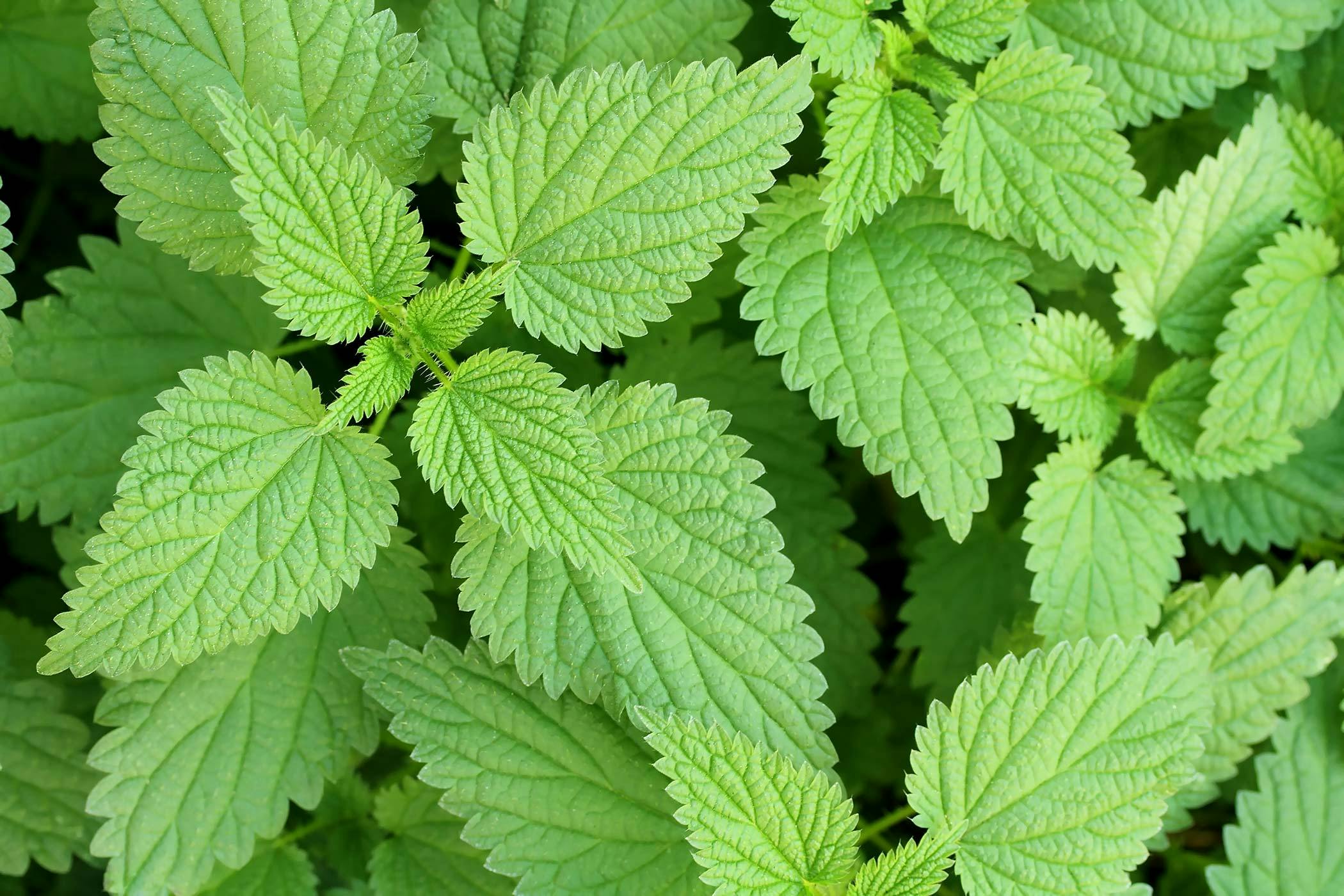
Image result for nettles images
During the past two months, I've been exploring nettles and their uses. Today, let's looks at the humble nettle as a dye plant.


The leaves are used for the dye, which if you're going to give the fiber prep a try from the first post in my nettle series, you'll have the leaves all stripped and ready! As with any dye preparation of natural leaves, you'll want to chop or mash them to release as much of their color as you can. Of course, these are stinging nettles, so gloves are a good idea.

One dyer recommended using an aluminum dye pot for the best color when dyeing with nettles. Typically, dyers prefer to use stainless steel or enamelware pots. The nettles must react favorably with the aluminum in this case.

It's a good idea to mordant the wool first with alum, but not all dyers do. There are multiple internet sites that can show you how to do that.

Plan on about 3x the weight of nettle leaves as yarn or cloth to be dyed. The more leaves, the darker the color. Color will also depend on other factors, like the age of the plant when harvested, the hardness of the water used, and any mordants used. This isn't an exact science when you're using natural resources!

Then you boil the nettle leaves until they are fully cooked and a bit mushy. Strain them well (cheesecloth is a good idea) and cool the liquid. Add the wet yarn or fabric to the cooled dye bath and bring the mixture to a simmer (do not boil) over medium heat. Let simmer until the dye is taken up into the yarn or cloth. Let the dye pot stand and cool completely overnight. Drain and remove the yarn or cloth. Roll in an old towel to remove excess water, then hang or lay flat to dry.

You should wind up with a color varying from gray/green to green/brown. 

Another dyer's blog says you can chop the nettle roots and boil with alum to create a dye bath that will give a yellow color. So many uses for this pesky weed!

More in this series:
Exploring Nettles for Fabric
Exploring Nettles for Dinner
Exploring Nettles for Health


Pegg Thomas is an author and editor, but also a fiber artist of some *mumble* years. She raises sheep and spins their wool to create one-of-a-kind shawls and other useful items. While she mostly uses a modern-day production spinning wheel, she occasionally spins on a 200-year-old Great Wheel, a true piece of American history.

Friday, March 8, 2019

Exploring Nettles for Dinner

Image result for cooking with nettles
Last month I wrote about using nettles for making fabric. This month, I want to explore another use for this stinging weed that tormented my childhood, nettles as a food source.

I know! Eat a weed? But ... actually ... it's a very nutritious weed. They are rich in calcium, iron, magnesium, and full of vitamins C, A, and B complex. They also contain more protein than most green vegetables. The dried leaves are up to 25% protein!

Our Native American ancestors knew about nettles and not only ate them but used them as a medicine. Nettles are also well-known as a food source in much of Europe, even available for sale in certain types of groceries. 

But what do they taste like? I'll be honest, I haven't tried them - yet. But I read their taste described this way, "like the lovechild of spinach and an artichoke." That makes me curious!

If you 're brave enough to give this a try, it's recommended that you harvest the nettles in the early spring when they are sprouting, taking only the top three sets of leaves from each plant. (It's not recommended to harvest any after the plants have flowered.) The leaves are then used by themselves and cooked similar to spinach, or added to soups and stews. They can even be cooked and used in the making of noodles. The internet is full of recipes!


More in this series:
Exploring Nettles for Fabric
Exploring Nettles for Color
Exploring Nettles for Health


Pegg Thomas is an author and editor, but also a fiber artist of some *mumble* years. She raises sheep and spins their wool to create one-of-a-kind shawls and other useful items. While she mostly uses a modern-day production spinning wheel, she occasionally spins on a 200-year-old Great Wheel, a true piece of American history.

Saturday, February 23, 2019

Author Chat with J'nell Ciesielski about Songbird and the Spy

Welcome to Stitches Thru Time, J'nell! We're all excited to see your second book that released this week, Songbird and the Spy.

What is it about the WWII era that inspired you to write about it?

I’ve always loved the WWII, mainly for the clothes and music. It was the perfect expression for both (in fact I’m listening to some WWII tunes as I type this). The U.S. was heavily involved in this war and its history surrounds us. I was completely drawn to the way citizens pulled together in the name patriotism to overcome horrific circumstances. The idea for Songbird came to me after watching a movie with a British soldier who posed as a Nazi to spy for the Allies. One of his rendezvous happened in this little French bar, and I thought aha! Now that would be interesting. Could a woman fall in love with the enemy and what would that look like? The story would be ripe for drama!

Why will readers love your hero?

Captain Michael Reiner is a man of principle. He’s loyal, courageous, disciplined within an inch of his life, yet incredibly passionate when it’s a cause that speaks to his heart. In this case, Claire. Michael is the man you want when everything goes wrong because he won’t let you down. No matter what, this man persists and will face evil itself to protect those he loves.

Why will readers sympathize with your heroine?

Claire is an ordinary woman from an ordinary family, and of all my heroines I think she’s most like me. She’s not overly daring, but there’s courage when the time calls for it. She may not have all the answers, but she doesn’t give up. At the end of the day, she wants a small home with the man she loves and the two of them can listen to records as the sun sets. What could be better than that?

What did you learn while writing this book that surprised you?

I learned that I could never be a spy. I mean, I wouldn’t make it past the first day because my face gives away absolutely everything. Secretly, I’ve held dreams of doing and being something daring, but in reality, I’d be the worst. The lies would get mixed up, the anxiety would explode under pressure, and I’d sing like a canary.

On a more serious note, the men and women who signed up for spying often didn’t last very long in the field. Spying was incredibly dangerous work and if you made it past a year, you were considered beyond lucky. To this day, many of these brave souls’ files are still under top-secret classification because of the amount of danger they discovered.

Your first book, Among the Poppies, was set during WWI. Songbird and the Spy is set during WWII. Where is your next book taking you?

My favorite place in the whole wide world! Scotland! Night Fox takes readers to 1716 at the end of the Jacobite rebellion, where the weary hero is returning home from war only to discover a thief creating chaos on his lands. But this thief isn’t like any others. When she set out to steal jewels to repay her family debts, never did our heroine imagine snagging the laird’s heart.

This novella will be coming out later this year in a Smitten collection with three other authors, so be on the lookout!


Friday, February 8, 2019

Exploring Nettles for Fabric

Image result for nettles images
How many remember the burning itch of nettles from childhood? I admit that I had a particular talent for finding nettles ... with my hands. I spent a lot of my younger years with stinging fingers.

But the lowly nettle, it turns out, has many legitimate uses that our forefathers knew about. 

In a recent bout of research on Native Americans, I discovered that the Ojibwe women wore skirts made of woven nettle fabric. I immediately started to itch, of course. And then I dug a little deeper into the subject.

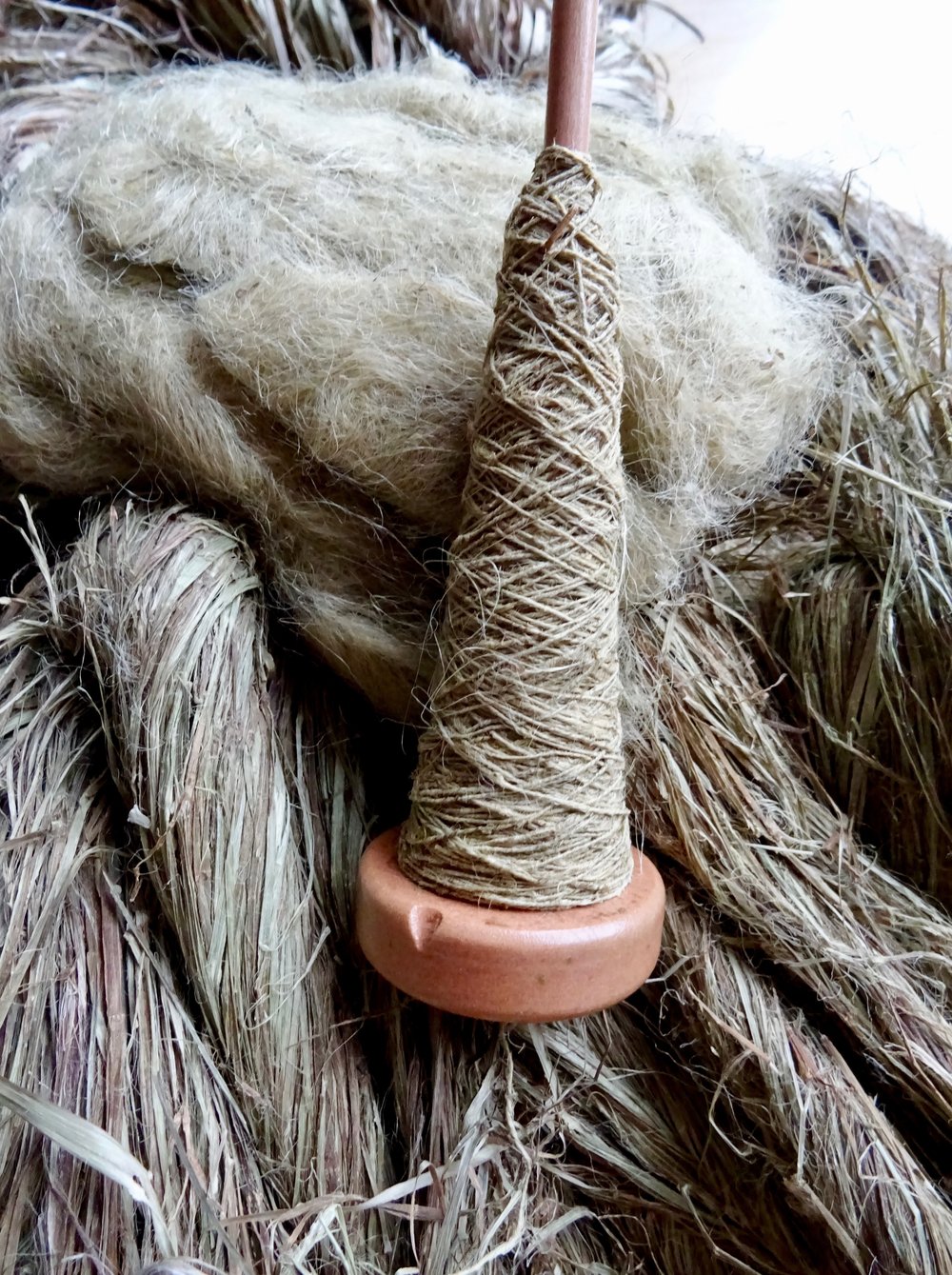
Nettles, like flax, hemp, and other plants, produce a long, fine, and very spinnable fiber. Who knew?! It's a process to get the fiber out of the stalks, but it's not difficult, only time-consuming.

The stalks are cut at the base when they are mature and still green. Leather gloves are a really good idea for this chore! The leaves are stripped off and the stalks are bundled into a manageable size.

Bundles of stalks are then submerged into a trough of water, or if you're lucky enough, a pond or stream. The stalks are weighted to keep them below the surface, and left in the water for about a week. This starts the retting - or rotting - process.

The bundles are then opened and spread out on the ground to fully dry. Once dry, the stalks are split open and long fibers are peeled away from the woody pith. This is a very tedious step. People serious about making any amount of useable fiber will have some tools to help in the process, like a break, hackle, and scrutching swords, but we won't get that deep in the weeds here.

With some sort of carder or steel comb, the extracted fibers are smoothed and straightened for spinning into thread.
Image result for image of nettle fibers

Once spun, the thread is usually boiled with a bit of soap to remove any of the sticky residues that remain. It can then be knitted, woven, or bound into cordage.

Not interested in all that work but curious about nettle yarns? Commercially available yarns containing nettle fibers are now available in the better yarn stores across the county. Pick up a skein and get in touch with some early American history.

More in this series:
Exploring Nettles for Dinner
Exploring Nettles for Color
Exploring Nettles for Health

Pegg Thomas is an author and editor, but also a fiber artist of some *mumble* years. She raises sheep and spins their wool to create one-of-a-kind shawls and other useful items. While she mostly uses a modern-day production spinning wheel, she occasionally spins on a 200-year-old Great Wheel, a true piece of American history.

Friday, January 4, 2019

Writing Outside My Comfort Zone

Image result for humor writing meme
My current WIP (work in progress) is outside my usual genre. Sort of. A bit. Well, kind of. Hmm ... this is going to take a little explaining.

You see, I write historical fiction and historical romance. It's pretty much commonly agreed upon that one can slide seamlessly between those two very connected genres without upsetting or disappointing your readers.

But then there's my current WIP. It's a western. Now granted, it's a historical western, but it's still a western. So what's the difference between historical fiction and a historical western? It's the difference between Margaret Mitchell and Louis L'Amour, or the difference between John Steinbeck and Zane Grey. One is writing fictional characters in historical settings, and the other is writing about cowboys.


Westerns are all about the cowboys.

I like cowboys. I raised one. No, seriously, my son is a team roper and horse trainer. I really did raise a cowboy.

I took a step of faith when I decided to give this a try. It's not what I'm used to and comfortable with. But writing about cowboys turned into something I didn't expect - a lot of fun! While my tagline has always been, Writing History with a Touch of Humor, I'm finding that humor and cowboys go hand-in-glove. There are times while writing that I literally laugh out loud ... and get some weird looks from my dog.

My foray into writing a historical western is probably going to expand into a three-book series partly because there's enough story here, partly because I've fallen a little bit in love with my main character, and partly because I'm really enjoying it.

It takes some nerve to step outside our comfort zones, but it can worth it too. I challenge you all - whether in writing or another area of your life - to step outside your comfort zone this year and try something new. You never know where it might lead!

Pegg Thomas
PeggThomas.com
https://www.amazon.com/Pegg-Thomas/e/B01M8KLB3Y/


Friday, December 21, 2018

Christmas Truce


It was the coldest Tim O’Doole had ever been. Even with his gloved hands jammed into his armpits, his fingers remained numb. He’d lost track of his toes hours ago. At least frostbite would get him out of the trenches. For a while, anyway. He stamped his feet, the half-frozen mud crackling beneath him.
Related image
Why had he ever thought war a glorious thing?
He closed his eyes. By now a goose hung cleaned and trussed in the cold room back home. The lingering scents of soda bread and Ma’s Christmas cake filled the house. Pa’s pipe smoke circled him as he hunched over the newspaper. Filled with anticipation, the younger children squirmed in their beds. Warm beds.
Tim blew out a long breath that hung like a specter in the night.
“English soldier, English soldier, a merry Christmas, a merry Christmas!”
Tim dropped lower, grabbing his rifle. A volley of words—most profane—ricocheted along the trench. Heavily-accented words floated across No Man’s Land again.
“English soldier, English soldier, a merry Christmas, a merry Christmas!”
The men of the Royal Irish Rifles held their breaths. What did this mean? Was it a trick? The Germans weren’t above using the holiday to lure good men to their deaths.
The man standing next to him gave an uncertain shrug and a muttered curse that about summed it up. Tim gripped the rifle tighter or tried to with fingers that barely bent. Where was his commanding officer? What were they to do?
“Come out, English soldier; come out here to us.”
Fat chance of that, Fritz. Tim’s thoughts were echoed in muttering up and down the trench. Then word came from the officers. Stay silent. Do not respond. Keep low and keep your rifles at the ready.
Minutes dragged by on frozen feet. Tim’s back ached in his crouch. What he wouldn’t give to be as short as the soldiers to either side of him. If he stretched to his full height, he’d be an easy target to those in the trenches opposite.
In spite of the order, a murmur filled the trench. Tim blinked, rubbed his eyes with the back of a stiff glove, and blinked again. A glow lit the sky.
“We are Saxons, you are Anglo-Saxons,” came a shout from across No Man’s Land. “What is there for us to fight about?”
Hadn’t Tim been asking himself that very question for the past months? Yet the war that should have been over by Christmas wasn’t. He eased upward, one hand securing his helmet, the other gripping his rifle. The opposing trenches glowed. Torches—lots of them—backlighting the German soldiers rising from the ground, hands away from their sides. Empty, open hands.
Could it be?
It was, after all, Christmas Eve. It was a time of peace and goodwill toward men. Wasn’t that was Christmas was all about, even for Germans? Hope rose from somewhere long buried.
Something tentative and fragile was happening before his eyes. Men rose from his trench without rifles, without words. One man pulled the helmet from his head and dropped it back into the trench.
Tim’s rifle slid to the ground.
“Gimme a boost, will ya now?” The soldier beside him, a wee man with a wide grin poked his thumb up. Tim laced his fingers together and the man slipped his foot into them while Tim hoisted him above and held his breath.
No shots fired.
Someone laughed.
“They’ve got whiskey!” rang through the night air.
A line of men formed in front of Tim, and he hoisted each one to the top, then the last man reached down and offered Tim a hand.
He swallowed, then nodded, and grasped the hand that helped him to the surface. Around him, men mingled, a flurry of words, both English and German, mixed between them. The Germans passed around flasks. The English handed out cigarettes and chocolates, treats they’d been hoarding for tomorrow.
Tim pulled a chocolate bar from his inside pocket and moved forward, dodging craters in the surface and tangles of barbed wire.
A ruddy-faced German approached him, holding out a flask. Tim extended the chocolate bar and took the flask. The liquid burned its way to his stomach. He raised the flask in a salute before handing it back. The German took it and clapped him on the shoulder before moving on.
It wouldn’t last. It couldn’t last. But for tonight, there was peace on earth and good will toward men.

Friday, December 14, 2018

Book Review and Reminiscing About County Fairs

The Blue Ribbon Brides Collection: 9 Historical Women Win More than a Blue Ribbon at the FairThe Blue Ribbon Brides Collection: 9 Historical Women Win More than a Blue Ribbon at the Fair by Cynthia Hickey
My rating: 4 of 5 stars

Another Barbour collection full of engaging characters and fun stories, these all set during a county or state fair. It's hard to pick any favorites out of this bunch, all of them combine a competitive spirit with the life lessons each character needs to learn. I love that each competition is different, from quilting to baking to farm animals to auto racing ... there is something in here for everyone.

Growing up, the county fair was a big deal. A very big deal! My dad sold John Deere farm equipment and the dealership he worked for had a huge outdoor display all week at our county fair. Even before I was old enough to be in 4-H and entering my own baked goods and knitting projects, entering my rabbits or showing my horse, I was hanging out in the John Deere lot, sometimes sleeping in the huge tractor wheel wells when I got tired. And I loved it.

It meant so much to me growing up, that I volunteered as a 4-H leader for more than twenty years. Our son was born shortly after and grew up with the older 4-H kids as he tagged along on our adventures. Soon he took over much of my barn and was showing his own rabbits, sheep, and eventually horses. One week every year we pulled our pop-up camper to the fairgrounds and set up "home" for the week.

Those were precious times, but my growing up and my son's. I wouldn't have traded them for the world. This collection brought back so many good memories! If you've ever participated in a county fair, you should pick up a copy today.

Thursday, December 6, 2018

Book Review of "The Blessed" by Ann Gabhart

The Blessed (Shaker, #4)The Blessed by Ann H. Gabhart
My rating: 4 of 5 stars

I've enjoyed all of Ann Gabhart's shaker books and couldn't believe I'd missed one ... but I had! So I grabbed a copy and read it in a couple of days. As usual, it was full of the characters who had not always experienced the best things in life, had not always made the right choices, and these characters were living through the consequences of their actions. In short, Ann Gabhart writes real-people-type characters the reader can relate to.

What I love about these Shaker books is that while they deal with a group of people we'd label as a cult today, the author treats them with the dignity and respect they deserve as people trying to do their best with what they know and believe. She never demeans them or makes them into caricatures. They are fully-rounded characters with strengths and weaknesses, beauty and warts. And into the lives of these people, the author weaves a tale of hardship and hope. Well worth reading. 

If you've never read one of Ann's Shaker books, you can start with any of them. They all read as stand-alone novels. Watch for the next one releasing in April of 2019, The Refuge.

Tuesday, November 6, 2018

The Wreck of the James Davidson

What better way to start a historical romance set on the Great Lakes in the 1880s than with a well-researched shipwreck? At least ... that's what I thought.

Anna's Tower, part of The Great Lakes Lighthouse Brides collection, starts with the wreck of the James Davidson.

At over 200 feet long, the James Davidson was considered a giant in its day. Hauling coal and towing the barge Middlesex, the captain miscalculated the position of Thunder Bay Island and rammed into the shoal not far from the lighthouse.

The crew at the lifesaving station on Thunder Bay Island rescued all involved. The barge Middlesex was floated away unharmed, but the James Davidson was damaged beyond repair. Battered by waves, it eventually broke up and sank.

I determined the hero of Anna's Tower would be a stowaway aboard the James Davidson. Hauling coal and towing the barge from Buffalo, New York, to Duluth, Minnesota, I needed to find a likely person who would have been aboard the vessel. That sent me digging into the history of both ports.

Duluth was fast becoming a farming area, growing grain that would feed the masses on the East Coast. The poor immigrants of that day included many Russians who fled the pogroms - Russia's attempt to exterminate the Jewish race. My hero, therefore, was a poor Russian farmer.

I knew nothing about poor Russian farmers.

It's a good thing I enjoy research. I dove into it with a passion and discovered that - as with Germany years later - it wasn't just the Jewish people who got swept into the pogroms. My hero, therefore, was Russian Orthodox, and that made my story easier in many ways.

This is what I love to do. I take great pains to never change the history, but to weave my story through it as seamlessly and logically as possible. It's a craft. It's a passion. It's just ... what I do. I hope readers will enjoy it as much as I did.
I'm giving away Beacon of the Bay Shawl to celebrate the release of The Great Lakes Lighthouse Brides collection. All my shawls are made from wool off my own sheep! I do everything from shearing to spinning to knitting these one-of-a-kind shawls. No two are ever just alike. One lucky subscriber to my newsletter will be the winner on Nov. 30th. To be a subscriber, join here.


Pegg Thomas
Writing History with a Touch of Humor